
7 Best Vietnam Islands Without Permission to Visit in 2026
See 7 Vietnam islands without permission needed for entry, from Phu Quoc to Co To, plus how to sort out your Vietnam e-visa before you go.

Vietnam islands without permission are more common today than most travelers expect: Phu Quoc, Con Dao, Nam Du, Ly Son, Phu Quy, Cat Ba and Co To all dropped their old border-area permit rules, so a valid passport and the right Vietnam visa are all you need to book the ferry. That was not always true. Until a few years ago, several of these islands sat inside restricted maritime zones, and foreign visitors had to apply for a separate local permit on top of their national visa.
Keep two documents straight. A Vietnam visa, whether an e-visa or a visa on arrival, is what lets you enter the country at all. A local entry permit was a second, island-specific document tied to Decree 71/2015/ND-CP, issued by provincial police for border and coastal zones. Most popular islands have had that second requirement lifted.
A handful of islands remain off the list for real security reasons, not paperwork inertia. Binh Ba and the Hon Chut islet near Cam Ranh are now closed to tourism altogether, and the disputed Truong Sa and Hoang Sa archipelagos are not open to independent travel at all.
Below, this guide splits the islands into two groups: the ones you can book today without a permit, and the ones you cannot, so you plan the trip around real rules rather than outdated blog posts.
Vietnam islands without permission in brief:
| Item | Details |
|---|---|
| Islands open without a permit | Phu Quoc, Con Dao, Nam Du, Ly Son, Phu Quy, Cat Ba, Co To |
| Old legal basis for permits | Decree 71/2015/ND-CP (border and coastal zone entry) |
| Islands still restricted | Binh Ba island, Hon Chut islet (tourism ban), Truong Sa and Hoang Sa (closed to independent travel) |
| Vietnam visa still required | Yes, for every island except Phu Quoc's 30-day visa exemption |
| Where to apply for a Vietnam e-visa | vietnamvisa-easy.com |
Do You Need a Permit to Visit Islands in Vietnam?
Not anymore, for the islands most tourists actually visit. Vietnam used to require foreign visitors to hold a separate border-area entry permit for a long list of coastal islands, issued under Decree 71/2015/ND-CP by the provincial public security department. That permit had nothing to do with your Vietnam visa; it was a local add-on covering the island as a restricted zone.
The government has removed this requirement for its main tourist islands one at a time. Co To dropped the permit rule for foreign visitors, Phu Quy followed in September 2020, and Nam Du opened to all nationalities not long after. Cat Ba, Con Dao and Ly Son were never on the restricted list at all.
In case of a smaller or more remote island not covered in this guide, the safest approach is to check directly with the ferry operator or a local tour agency before you book. Rules on border and coastal islands can still change with little notice, particularly in provinces with an active military presence.
Vietnam Islands Without Permission: Where You Can Go Freely
Seven islands cover most of what foreign travelers actually search for, from a beach week to a quiet ferry crossing you will not find in a guidebook. Each one below only needs your Vietnam visa, not a separate local permit.
Phu Quoc Island
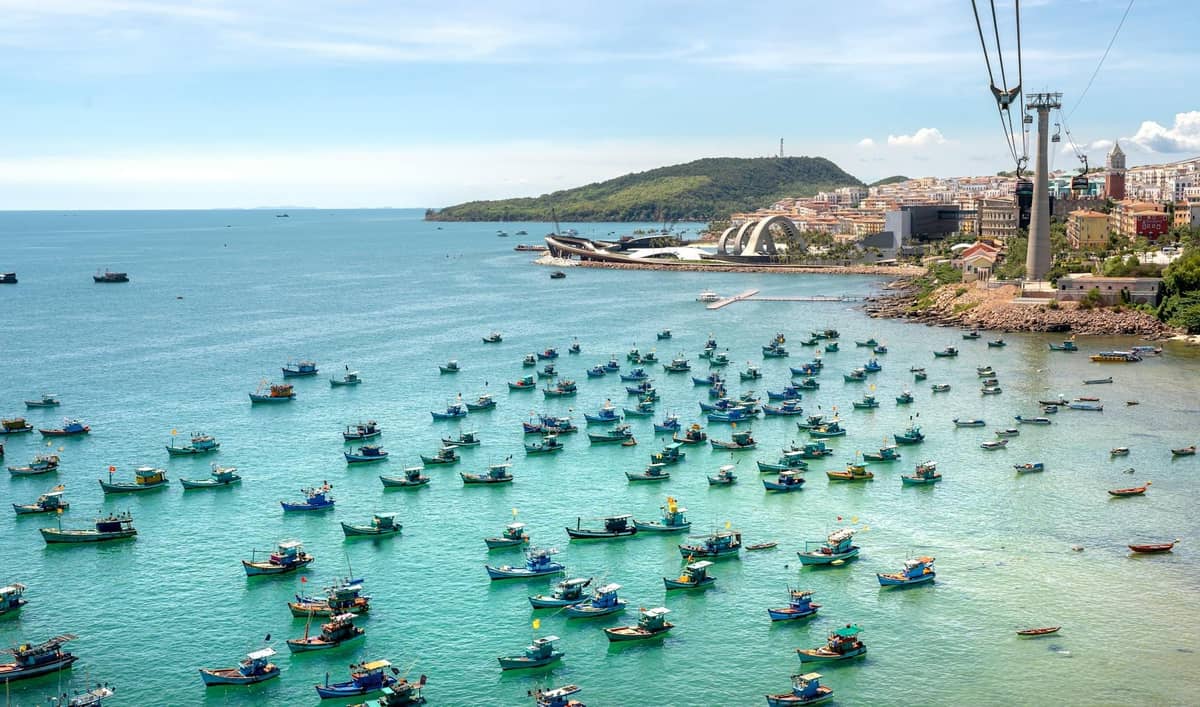
Phu Quoc, in the far south near Cambodia, goes a step further than the rest of this list: citizens of every nationality can stay up to 30 days without any Vietnam visa at all, as long as they enter through one of its international border gates (the airport, Ha Tien port, or Duong Dong port). It is the only place in the country with that specific exemption.
Con Dao Islands
Con Dao sits off the south coast and mixes a former colonial-era prison complex with some of Vietnam's cleanest diving and snorkeling. No permit has ever been required here; you fly in from Ho Chi Minh City or Can Tho on a standard domestic route.
Nam Du Archipelago
Nam Du, off Kien Giang province, used to sit behind the same border-permit rule as Co To and Phu Quy. That requirement has been dropped, and the archipelago's 21 small islands are now open to every nationality holding a valid Vietnam visa.
Ly Son Island
Ly Son, off the coast of Quang Ngai in central Vietnam, formed from volcanic craters and is known locally for its garlic farms and clear-water snorkeling. It has no permit history to clear, only the ferry from Sa Ky port.
Phu Quy Island
Phu Quy, off Binh Thuan province near Mui Ne, required a permit for foreign visitors until September 2020. Since then it has been open on the same terms as any other Vietnam visa destination, reachable by ferry from Phan Thiet.
Cat Ba Island
Cat Ba anchors the southern edge of Halong Bay and Lan Ha Bay, with its own national park and a well-worn tourist route from Hai Phong. It has never sat on the restricted-island list.
Co To Island
Co To, further out in the Gulf of Tonkin from Quang Ninh province, is a direct example of the rule change: Decree 71/2015/ND-CP once required foreigners to carry a border-area permit here, and that requirement was formally lifted, opening the island to independent visitors.
Which Vietnam Islands Are Restricted or Require Special Permission?
Not every Vietnamese island belongs on a permit-free list, and mixing this up with the islands above is the most common planning mistake travelers make.
Binh Ba Island and Hon Chut Islet
Binh Ba island and the neighboring Hon Chut islet, both near Cam Ranh in Khanh Hoa province, are currently closed to tourism entirely. The ban protects the security of the Cam Ranh military base nearby, and it applies to Vietnamese and foreign visitors alike, not just foreigners without a permit.
Bach Long Vi Island
Bach Long Vi, Vietnam's most remote inhabited island, sits roughly 6-7 hours by boat from the mainland in the Gulf of Tonkin and functions as a frontline border post. It is not a standard tourist route, and entry conditions are not consistently documented, so confirm current access with Hai Phong authorities or a licensed operator first.
Truong Sa and Hoang Sa Archipelagos
The Truong Sa (Spratly) and Hoang Sa (Paracel) archipelagos are administered as strategic and military zones under active territorial dispute. They are not open to independent foreign tourism, and no permit process exists for casual visitors to reach them.
Before You Travel: Vietnam Visa Requirements for Island Hopping
A permit-free island is not the same as a visa-free island. Outside of Phu Quoc's specific 30-day exemption, every destination on this list still requires a valid Vietnam e-visa or visa on arrival before you fly in, since the islands themselves are part of Vietnam's normal entry territory, not a separate zone.
Most travelers heading to these islands apply for the e-visa, since it covers stays of up to 90 days and works whether you land in Hanoi, Ho Chi Minh City or Da Nang before continuing to the coast. You will need a passport bio page scan, a digital photo (4x6cm, white background, no glasses, if a physical print is requested), and 3-5 working days for standard processing.
If the island trip is a late add-on to an existing itinerary, an expedited e-visa or visa on arrival can be arranged in as little as 1.5 working hours through vietnamvisa-easy.com, a private visa service agency, not a government office. Start an application here or read about the visa on arrival process before booking your ferry tickets.
Read more about Vietnam Visa Blog
- Vietnam Visa on Arrival: 9 Things You Need to Know Before You Fly
- Off the Beaten Track in Pu Luong: 7 Hidden Trails for 2026
- Kite Surfing in Mui Ne: Complete 2026 Guide to Best Spots
- Ha Giang 4 Days 3 Nights by Motorbike: Best Guide
- Gia Lai Travel Guide: Highlights and Best Tips 2026
- Vietnam Pre-Arrival Form: Complete 2026 Guide for Travelers
- Vietnam Visa Photo Size and Requirements
- No Hidden Charges
- Competitive price
- Fast reliable services
- Prompt Support via chat, email, phone
- Customer - Focused approach
- Money-back guarantee for declined applications
Frequently Asked Questions
Which Vietnam islands can you visit without permission from the government?
Phu Quoc, Con Dao, Nam Du, Ly Son, Phu Quy, Cat Ba and Co To no longer require the old border-area entry permit for foreign visitors, so a valid Vietnam visa is the only document you need.
Do you still need a Vietnam visa if an island does not require a permit?
Yes. A local entry permit and a Vietnam visa are two separate documents. Dropping the permit requirement did not remove the national visa requirement, except for Phu Quoc's specific 30-day exemption.
Can foreigners visit Binh Ba island now?
No. Binh Ba island and the nearby Hon Chut islet have been closed to all tourism, Vietnamese and foreign visitors alike, to protect the security of the Cam Ranh military base.
Is Phu Quoc really visa-free for every nationality?
Phu Quoc allows visa-free stays of up to 30 days for foreign visitors who enter directly through one of its international border gates. If you first land elsewhere in Vietnam before transferring to Phu Quoc, the standard visa rules for the rest of the country apply instead.
What documents should you carry when island hopping in Vietnam?
Carry your passport, your approved Vietnam e-visa or visa on arrival approval letter, and any domestic flight or ferry tickets. For the handful of remaining restricted zones, such as Bach Long Vi, confirm with a local operator whether any additional local document is currently required before you travel.
